Artificial Grass Installation: The Green Alternative for Your Lawn
Synthetic grass installation constitutes a viable substitute for residents looking for a sustainable yard answer. Its toughness and reduced upkeep needs deliver considerable advantages over standard grass. As water preservation grows increasingly important, synthetic grass acts as an practical remedy to environmental challenges. Nevertheless, the decision to install artificial grass entails numerous factors that warrant comprehensive examination. Which factors must property owners evaluate before making the switch to this green alternative?
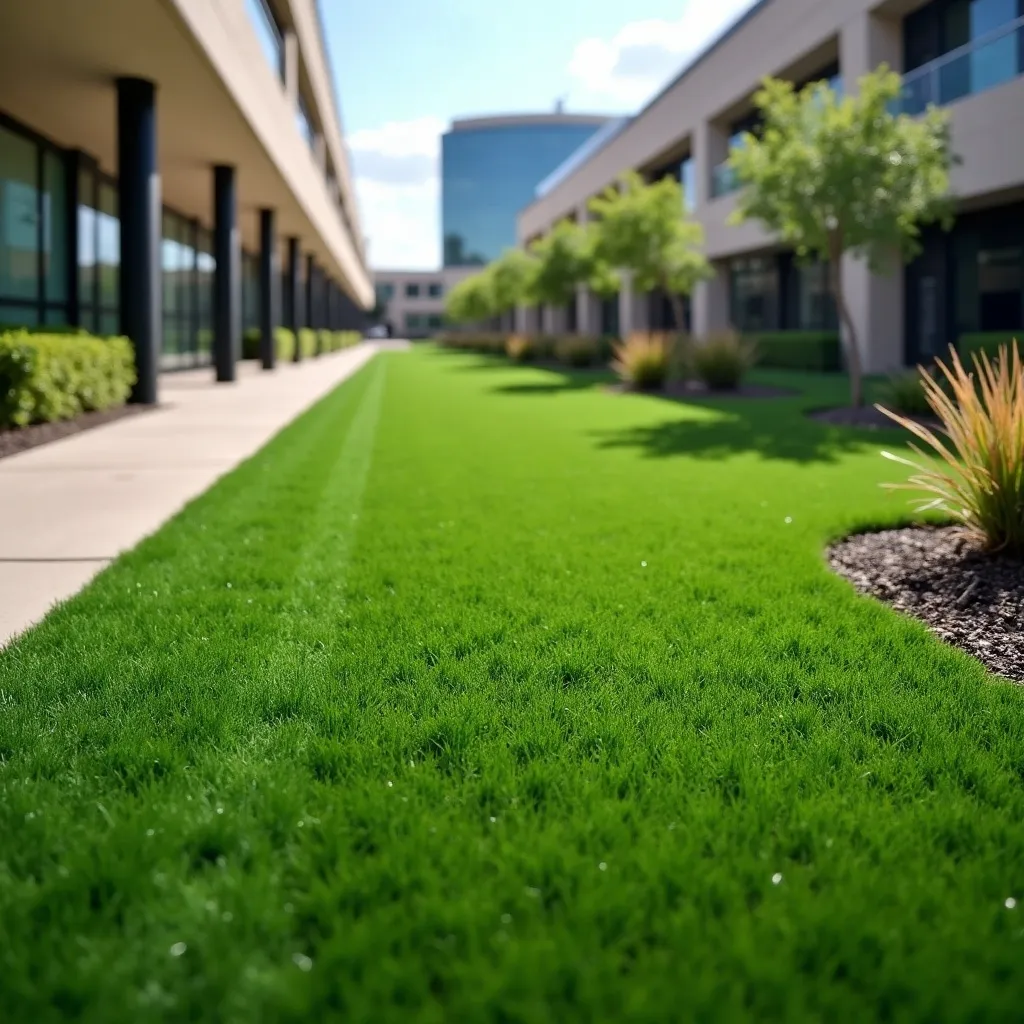
Learning About Synthetic Turf: Core Qualities and Merits
Synthetic turf has grown into a popular substitute to natural grass, offering numerous benefits for various applications. One of its core strengths is wear-resistance; synthetic grass can withstand heavy foot traffic and extreme weather conditions without deteriorating. This resilience makes it an outstanding choice for sports fields, playgrounds, and residential lawns.
Furthermore, synthetic turf needs minimal upkeep in comparison to natural grass. There is no requirement for mowing, watering, or fertilizing, generating considerable time and cost savings for homeowners and facility managers alike.
Furthermore, artificial grass is sustainable, as it conserves water and reduces the need for harmful pesticides and fertilizers.
Modern synthetic turf reproduces the appearance and feel of natural grass through advancements in technology, delivering aesthetic appeal without the drawbacks. These features combined make synthetic turf a viable and attractive option for a wide range of uses.
Installing Synthetic Turf: A Step-by-Step Guide
When analyzing the advantages of synthetic turf, the next sensible move is learning the installation process.
The first phase involves site preparation, which includes removing the area of present grass, weeds, and debris. Next, a foundation of crushed stone or gravel is laid to guarantee proper drainage and stability. Following this, a protective fabric is installed to inhibit unwanted plant development.
After preparing the base, the synthetic turf rolls are unfurled and situated, making possible proper alignment. The edges are secured with stakes or adhesive, assuring a seamless appearance.
Once situated, a layer of infill material, such as rubber or sand, is spread uniformly to provide stability and weight. Finally, the turf is raked to lift the strands and create a organic appearance.
Completing these processes establishes a robust, hassle-free lawn that amplifies both aesthetics and usability.
Why Go with Synthetic Turf? Environmental and Useful Perks?
Selecting synthetic turf provides numerous practical and environmental benefits that render it an attractive option for numerous homeowners and businesses. One major advantage is conserving water; artificial turf removes the requirement for routine irrigation, which is particularly advantageous in arid regions.
Additionally, it decreases the dependence on harmful pesticides and fertilizers, promoting a healthier ecosystem.
From a pragmatic standpoint, synthetic turf demands minimal upkeep, conserving resources and costs on grass maintenance. It remains vibrant and verdant throughout the year, delivering a consistent visual attractiveness without seasonal changes.
Furthermore, synthetic turf provides durability, equipped to handle heavy foot traffic and various weather conditions, making it ideal for both residential and commercial applications.
These attributes not only boost the utility of outdoor spaces but also promote enduring sustainability, rendering synthetic turf a convincing pick for green-minded customers.
Key Factors for Synthetic Turf Placement
Multiple factors must be considered before beginning synthetic turf installation. First, it is vital to examine the intended application of the area. Various kinds of synthetic turf are created for particular uses, such as sports or residential grounds maintenance.
Second, the local climate should be taken into account; some materials may withstand heat better than others.
Site preparation is another important aspect, requiring proper drainage and a level surface to guarantee durability and effectiveness. Furthermore, potential regional requirements or homeowners' association standards may determine installation decisions.
Picking the right infill product is vital for durability and coziness, as it determines both the look and sensation of the turf.
Finally, choosing a trustworthy installer can significantly affect the quality and longevity of the installation. By addressing these considerations, property owners can make informed choices that most effectively meet their requirements and enhance their exterior spaces.
Proper Care for Your Artificial Turf Lawn
A synthetic turf lawn needs a consistent cleaning schedule to ensure that its longevity and appearance are preserved.
Consistent upkeep includes addressing any spots and applying restoration methods as necessary.
Adhere to a conventional cleaning regimen
Preserving the look and durability of synthetic turf lawns depends on a consistent cleaning schedule. Routine upkeep helps prevent debris buildup, minimizes odors, and improves aesthetic appeal.
Property owners should work to clear leaves, twigs, and other organic materials at least once a week, especially during fall. Additionally, flushing the turf with water monthly can help remove dust and allergens, maintaining a fresh look.
High-traffic areas may be in need of more frequent attention to copyright the turf's integrity. In freezing seasons, winter accumulation should be thoroughly cleared to avoid damaging the see here grass strands.
Spotting and Repair Tips
Identifying and addressing problems quickly is crucial for preserving the integrity of synthetic turf lawns. Regular inspections should be conducted to detect signs of damage, such as rips, fraying, or irregular surfaces.
When a issue is detected, immediate action is imperative. Minor tears can be fixed using specialized adhesive or turf tape, ensuring a strong bond without compromising appearance. For larger issues, professionals may be needed to replace sections of turf.
Additionally, maintaining the base material intact is necessary; any shifting can cause compounding issues. Regular brushing helps preserve an even appearance and can also uncover dormant defects.
Budget Comparison: Synthetic Turf vs. Natural Grass
When considering the costs of artificial grass alternatives to conventional grass, preliminary installation fees serve as an important element.
Moreover, long-term maintenance costs can heavily influence the overall financial commitment of each option.
A complete study of these factors provides valuable findings for prospective buyers.
Beginning Setup Prices
Initial installation costs are crucial in the decision-making process for homeowners and municipalities evaluating synthetic turf versus natural grass.
Typically, the initial costs for synthetic turf can range from $5 to $20 per square foot, depending on quality and installation complexity. In contrast, natural grass installation usually costs between $1 to $2 per square foot.
However, the overall expenditure in authentic lawn can expand significantly due to soil preparation, irrigation, and regular upkeep obligations.
Property owners and local governments must consider these beginning expenses against the possible future gains of artificial lawn, such as lower water demand and lower maintenance requirements.
Ultimately, knowing these costs enables making conscious, responsible landscaping preferences.
Sustained Repairs Expenditures
Ongoing maintenance expenses substantially drive the overall value proposition of synthetic turf compared to natural grass.
Maintaining natural grass involves regular monetary commitments, covering routine lawn mowing, soil fertilization, consistent watering, and bug control, which can grow substantially over time. Homeowners may budget hundreds to thousands of dollars yearly to keep a vibrant lawn.
On the other hand, synthetic turf demands little maintenance, mainly occasional cleaning to remove dirt. Although the upfront cost in synthetic turf may be higher, the reduced ongoing expenses make it an attractive alternative.
Moreover, artificial grass reduces water bills tied to irrigation, further maximizing its cost-effectiveness over time.
Ultimately, the financial advantages of synthetic turf maintenance can lead to substantial savings for property owners in the long term.
Debunking Common Myths About Synthetic Turf
Although many individuals harbor misconceptions about synthetic turf, comprehending the facts can result in informed decisions. One common myth is that synthetic turf is damaging to the natural world; however, many materials are made from reclaimed resources and are constructed to be durable, decreasing waste.
A common belief is that synthetic turf requires excessive heat maintenance, but modern installations often incorporate reliable cooling technologies that alleviate temperature issues.
Additionally, some critics contend that synthetic turf encourages artificial compounds; yet, improvements in materials have significantly reduced the demand for dangerous filler materials.
Ultimately, the notion that synthetic grass cannot support biodiversity is misleading; many installations can coexist with native plants, creating habitats for local wildlife.
Popular Asked Questions
How Many Years Does Synthetic Turf Remain Durable Before Demanding Replacement?
Manufactured turf generally functions between 15 to 25 years before requiring replacement. Components affecting longevity include excellence, care practices, and environmental conditions, which can significantly affect its durability and overall performance over time.
Animals and Synthetic Turf: Is It Secure for Them?
Pets can safely use synthetic turf, as it is designed to be long-lasting and harmless. Regular maintenance guarantees hygiene, making it a sensible option for pet owners seeking a low-maintenance, enjoyable outdoor space for their animals.
Can Synthetic Turf Soak Up Heat During Sunny Weather?
Yes, synthetic grass does retain heat in bright weather, significantly increasing surface temperatures. This can cause discomfort for both pets and humans. Frequent watering or selecting lighter-colored turf can help reduce this heat absorption.
What Choices Do You Have for Synthetic Turf Colors and Patterns?
Artificial turf choices comprise various color options, including vibrant greens, deep browns, and specialty shades. Patterns extend from realistic imitations of natural grass to artistic styles, appealing to diverse aesthetic preferences and practical uses.
How Does Synthetic Turf Affect Regional Wildlife?
Synthetic turf can disrupt local wildlife by changing habitats and decreasing natural nutrition availability. Its lack of flexibility may discourage certain species from nesting or foraging, potentially resulting in decreased species diversity in the affected areas.